The Importance of System Coordination Across Water-Dependent Industries
Plumbing, irrigation, fire protection, HVAC, and utility operations may serve different purposes, but they often depend on the same water infrastructure. Better coordination helps teams understand those connections, anticipate impacts, and maintain more reliable operations.
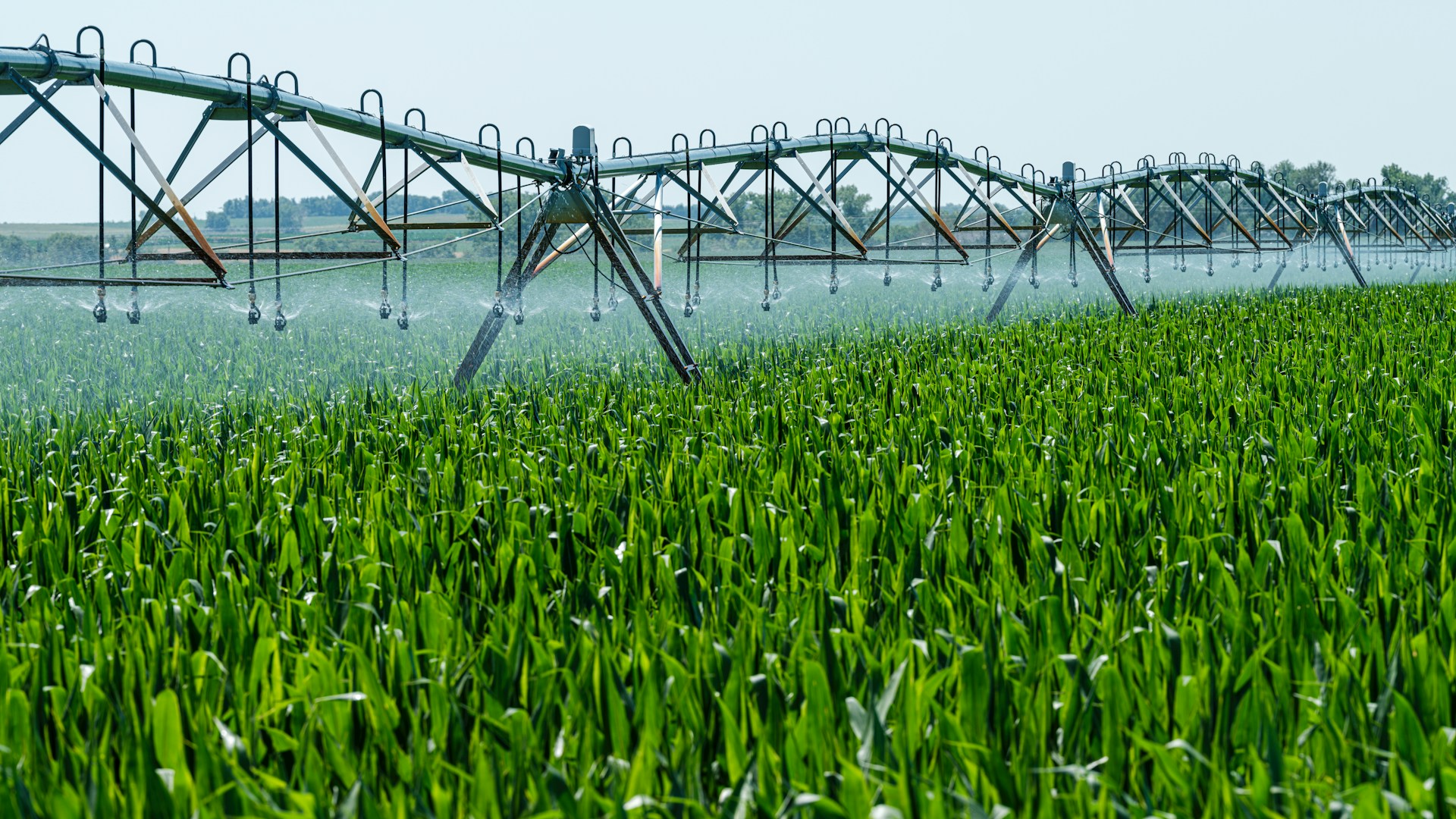
Water-dependent industries often operate side by side, each focused on its own responsibilities while relying on the same underlying infrastructure. Plumbing, irrigation, fire protection, HVAC, and water utility operations all depend on water being available under the right conditions.
Each system has its own equipment, professionals, maintenance requirements, and operational priorities. From the outside, they may appear to function independently. In practice, however, their performance can be closely connected.
Changes in water availability, pressure, demand, maintenance activity, or infrastructure condition can extend beyond one individual system. Understanding those relationships is an important part of maintaining reliable water-dependent operations.
Different Industries, Connected Operations
A building’s plumbing system, a landscape irrigation network, a fire sprinkler system, and water-based HVAC equipment may perform completely different jobs. Yet each can ultimately depend on the same larger water supply.
That shared dependency means water infrastructure connects industries that might otherwise have very little operational overlap.
Fixtures, appliances, building systems, and occupants depend on consistent water delivery.
Irrigation zones depend on predictable pressure and supply to distribute water effectively.
Hydrants and sprinkler systems depend on water being available when higher demand occurs.
Cooling towers and other water-dependent equipment may rely on dependable water supply during operation.
Water-Dependent Systems Do Not Always Operate in Isolation
Without coordination, even well-maintained systems can encounter unexpected challenges. The issue may not be the condition of the individual equipment. It may be something occurring elsewhere within the infrastructure supporting it.
A maintenance activity can temporarily change water availability. Increased demand can influence pressure. Construction may require valves to be operated or sections of infrastructure to be isolated. A repair in one area may temporarily change conditions for another.
A system can be functioning exactly as designed and still be affected by conditions elsewhere in the water infrastructure that supports it.
Each System Places Different Demands on Water Infrastructure
Coordination becomes easier when teams understand that different water-dependent systems do not necessarily need water in the same way.
Plumbing systems generally experience changing demand throughout the day. Irrigation may operate according to scheduled zones. HVAC equipment may have operational demand tied to building conditions. Fire protection systems may remain relatively inactive until water is needed immediately and in significantly greater volume.
Utility operations sit behind all of these uses, maintaining the infrastructure responsible for supplying water throughout the service area.
One water source may support several very different operating conditions.
Small Changes Can Have Wider Impacts
One of the reasons coordination matters is that changes within water infrastructure do not always remain confined to the location where the work is occurring.
Consider a planned utility repair that requires temporarily isolating part of a distribution system. The work itself may involve a relatively small section of infrastructure, but the temporary change can matter to properties, contractors, irrigation systems, building operations, or other water-dependent equipment within the affected area.
The same principle applies to unusual demand, equipment failures, valve changes, pressure fluctuations, and other operational events.
Coordination Starts With Shared Awareness
Effective coordination begins with awareness. The people responsible for connected systems do not necessarily need to know every technical detail of every other industry, but understanding relevant dependencies can make communication and planning significantly easier.
Utility operators may need to communicate planned work that could affect service. Property managers may need to understand which contractors or service providers maintain specific equipment. Contractors may need information about site conditions or other systems connected to the same property.
Better coordination does not mean everyone performs the same job. It means the right people understand when their work may affect someone else’s.
Coordinate Before the Work Begins
Planned maintenance creates one of the clearest opportunities for better coordination. When work is known in advance, teams have time to understand what may be affected and communicate with the appropriate people.
This may include identifying affected locations, understanding which assets or systems are connected, confirming responsible contacts, reviewing previous work, and determining whether other operations need to be considered before the work begins.
Organized Records Support Better Coordination
Communication becomes more difficult when information is scattered across separate spreadsheets, paper files, email threads, individual devices, and people’s memory.
A team may know that work occurred at a property without having an easy way to see which asset was involved. A service provider may have useful information that never becomes part of the long-term record. Contact information may exist, but not alongside the location or equipment it relates to.
Organizing information around the actual infrastructure helps create context. Locations establish where activity occurs. Assets identify what is there. Tasks document work. Contacts identify the people involved. Files and history provide additional information when it is needed later.
What Better System Coordination Looks Like
Coordination does not necessarily require adding more meetings, more paperwork, or more complicated processes. In many cases, the biggest improvement comes from making important information easier to understand and access.
Teams have a clearer picture of the infrastructure, activity, and people involved.
With that foundation, teams are better positioned to understand what has happened, what is happening now, and who may need to know about what happens next.
Coordination Becomes More Important as Systems Expand
As communities grow, water infrastructure often has to support more properties, more equipment, more service providers, and greater overall demand.
New development can introduce additional irrigation systems, commercial plumbing, fire protection infrastructure, mechanical equipment, and other water-dependent uses. At the same time, existing infrastructure still needs to be maintained, repaired, inspected, and documented.
The number of connections increases, and so does the importance of understanding how those connections fit together.
More infrastructure creates more relationships to manage.
Maintaining clear records and awareness of connected systems becomes increasingly valuable as communities, service areas, and operational responsibilities grow.
Better Coordination Supports Better Reliability
Plumbing, irrigation, fire protection, HVAC, and water utility operations all have different responsibilities. Their equipment is different, their maintenance requirements are different, and the professionals responsible for them may rarely perform the same work.
What connects them is their reliance on water infrastructure.
Recognizing that shared dependency helps teams anticipate how maintenance, changing demand, repairs, system adjustments, and other activity may affect the larger operational picture.
Better coordination does not always require major changes. It begins with understanding how systems connect, maintaining useful information, communicating when activity may affect others, and giving the people involved enough context to make informed decisions.
As water-dependent infrastructure becomes more interconnected, that awareness can help reduce unexpected disruptions and support more reliable operations across the systems communities depend on every day.
Water-dependent systems may serve different purposes, but they do not operate independently.
Better awareness, communication, and coordination help teams understand how their work fits into the larger system and support more reliable operations over time.
More From R2 Utility
Explore additional resources for organizing utility information, improving daily workflows, and managing connected operations.
Explore the R2 Platform
See how R2 connects locations, assets, tasks, contacts, notices, files, and reporting.
Explore Platform Learning CenterFind Guides and Resources
Browse section overviews, FAQs, helpful tips, and step-by-step information for using R2.
Visit Learning Center OnboardingBring Existing Records With You
Learn about onboarding and professional data import services for locations, assemblies, and contacts.
Explore OnboardingBuild Better Visibility Across Your Operations.
R2 helps teams organize locations, assets, tasks, contacts, files, notices, reporting, and operational activity in one connected platform.