What Happens When One Part of a Water System Fails
Water infrastructure works as a connected system. A leak, pressure loss, equipment failure, or service interruption in one area can create effects far beyond the original problem, making visibility, coordination, and response especially important.
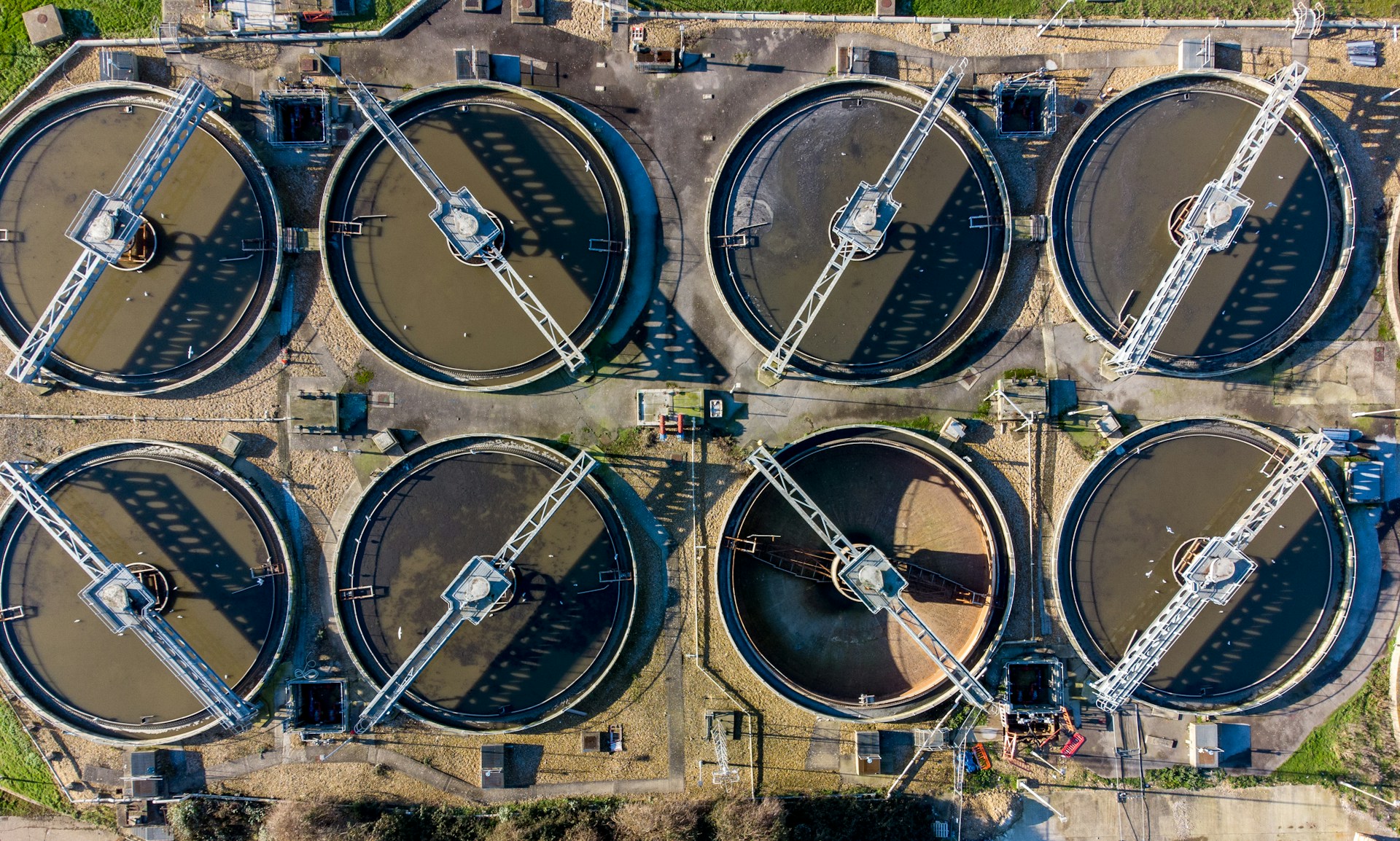
Water systems support everything from everyday plumbing and irrigation to fire protection, commercial operations, and other critical services. Because those uses depend on connected infrastructure, a problem in one area can affect far more than the individual component where the failure began.
A broken pipe, malfunctioning valve, failed pump, unexpected leak, or sudden loss of pressure may start as a localized issue. The effects, however, can spread through the surrounding system as water availability, flow, pressure, and operating conditions begin to change.
Understanding how those impacts move through a water system helps operators and service teams respond more effectively and highlights why reliable infrastructure depends on more than maintaining individual components.
A Water System Is More Than Individual Components
Water infrastructure is made up of many individual assets, but those assets rarely function independently. Pipes move water between areas. Valves control how water travels through the system. Pumps support movement and pressure. Meters, assemblies, tanks, hydrants, service connections, and other equipment all contribute to the larger network.
Each component performs a specific job, but the reliability of the overall system depends on those components working together.
That connection is what makes water infrastructure efficient, but it also means that a change in one area can influence conditions elsewhere.
A Small Failure Can Create a Larger Operational Problem
Not every water system failure is dramatic. Some begin with a relatively small issue: a leaking connection, a valve that does not operate correctly, equipment beginning to wear, or a section of pipe gradually losing integrity.
The importance of the failure depends not only on the size of the damaged component, but also on where it is located and what depends on it.
Even a localized leak can reduce available flow, waste water, damage surrounding areas, or worsen over time.
Pressure changes can influence fixtures, irrigation equipment, building systems, and other connected uses.
Pumps, valves, controls, and other equipment can affect the movement or availability of water when they fail.
Pipe breaks and larger failures may require sections of the system to be isolated while repairs are completed.
The Impact Can Extend Beyond the Original Problem
The visible failure is only one part of the situation. Teams also need to understand what the failure changes elsewhere in the system.
A damaged water line may require nearby valves to be closed. Closing those valves may reduce service to multiple properties. Reduced pressure may influence irrigation coverage or building plumbing. A temporary shutdown can affect equipment that depends on continuous water availability.
In certain situations, fire protection infrastructure may also depend on the same section of water distribution infrastructure.
A problem can move through the system as operating conditions change.
Different Water Uses Experience Failures Differently
The same infrastructure problem can create different symptoms depending on how water is being used.
A resident may first notice weak water pressure. An irrigation technician may see poor sprinkler coverage. A building operator may notice equipment behaving differently. Utility staff may see unusual system demand or receive multiple service calls from the same area.
Reduced flow, weak pressure, interrupted service, or unusual operating conditions may become noticeable inside buildings.
Sprinkler performance, zone coverage, and scheduled watering may be affected by pressure or supply changes.
Maintaining reliable supply and system awareness becomes especially important when infrastructure supports emergency water demand.
Mechanical equipment and other water-dependent systems may be affected when normal operating conditions change.
The First Symptom Is Not Always Where the Failure Started
One of the more difficult parts of responding to a system issue is determining whether the location where the problem is noticed is actually the location where the problem began.
Low pressure at one property, for example, does not automatically mean the problem exists at that property. The cause may be farther upstream, related to distribution infrastructure, maintenance activity, equipment condition, or another change within the network.
Understanding the surrounding infrastructure, recent activity, connected assets, and previous system history can help teams narrow down the source more quickly.
Restoring Service Requires More Than Repairing the Failed Component
Once a failure is identified, the immediate priority may be repairing or isolating the damaged infrastructure. But restoring normal operations often involves several additional steps.
Operators may need to determine which valves should be operated, which locations are affected, which service providers are involved, and which people need to be informed. Technicians may need previous equipment information or maintenance history before beginning work.
Determine where the failure began and what infrastructure is involved.
Understand which locations, assets, and connected operations may be affected.
Isolate, repair, replace, or otherwise address the affected infrastructure.
Return the system to normal operation and verify that conditions have stabilized.
Multiple Roles May Be Involved in a Single Failure
System failures often bring together people who normally work in separate areas. Utility operators may oversee distribution infrastructure. Contractors may perform repairs. Property managers may need to communicate with occupants. Specialized service providers may be responsible for equipment connected to the affected system.
Clear information helps each person understand what has happened, what may be affected, and what work has already been completed.
Faster response depends on understanding both the failure and the system around it.
Coordination becomes especially important when an issue extends beyond a single location or requires several teams to work in sequence before normal operations can resume.
Good Records Become More Valuable During a Failure
During normal operations, accurate records make everyday work easier. During a system failure, those same records can become even more valuable.
Knowing where assets are located, what work has been performed previously, who is responsible for a location, and which equipment is connected can reduce the amount of information teams need to reconstruct during an active problem.
The easier that information is to find, the easier it becomes to build an accurate picture of what is happening.
Reliability Starts Before Something Fails
Not every failure can be prevented. Infrastructure ages, equipment wears, environmental conditions change, and unexpected events occur.
Preventive maintenance and system awareness can still reduce risk and help teams identify developing problems before they become larger disruptions.
Strong water systems depend on consistent attention over time.
These practices do more than reduce the likelihood of failure. They also give teams better information when something unexpected does occur.
Reliable Systems Are Designed to Recover
Reliability does not mean that nothing ever goes wrong. Even well-maintained infrastructure can experience failures.
A resilient system is one where teams can identify the issue, understand the impact, communicate with the right people, complete the necessary work, and restore normal operation as efficiently as possible.
Preparation improves the ability to respond and recover.
Reliable infrastructure, organized information, clear responsibilities, and documented system history help teams make better decisions when conditions suddenly change.
System Reliability Depends on the Strength of the Whole Network
A water system is only as reliable as the network supporting it. Pipes, valves, pumps, service connections, hydrants, assemblies, and other assets may perform different functions, but they contribute to the same larger operation.
When one part fails, the effect may remain local, or it may influence water pressure, availability, connected properties, equipment, and service operations elsewhere in the system.
Understanding those connections helps teams respond more quickly and makes it easier to determine who and what may be affected.
Regular maintenance, organized records, system awareness, and clear coordination cannot eliminate every failure, but they can reduce uncertainty and improve how teams respond when problems occur.
The goal is not simply to repair individual components. It is to maintain a water system that can continue supporting the communities, properties, and essential services that depend on it.
A failure may begin with one component, but its impact can extend across the system.
Understanding connected infrastructure, maintaining reliable records, and preparing for response helps teams minimize disruptions and restore normal operations more effectively.
More From R2 Utility
Explore additional resources for organizing utility information, improving daily workflows, and managing connected operations.
Explore the R2 Platform
See how R2 connects locations, assets, tasks, contacts, notices, files, and reporting.
Explore Platform Learning CenterFind Guides and Resources
Browse section overviews, FAQs, helpful tips, and step-by-step information for using R2.
Visit Learning Center OnboardingBring Existing Records With You
Learn about onboarding and professional data import services for locations, assemblies, and contacts.
Explore OnboardingBuild Better Visibility Into the Systems You Manage.
R2 helps teams organize locations, assets, tasks, contacts, files, notices, reporting, and operational activity in one connected platform.