Why Field Crews Need Better Access to Utility Records
Utility work happens in the field, but important records often live somewhere else. Giving field crews better access to locations, assets, work history, notes, photos, and reports can help teams make better decisions and document work more consistently.
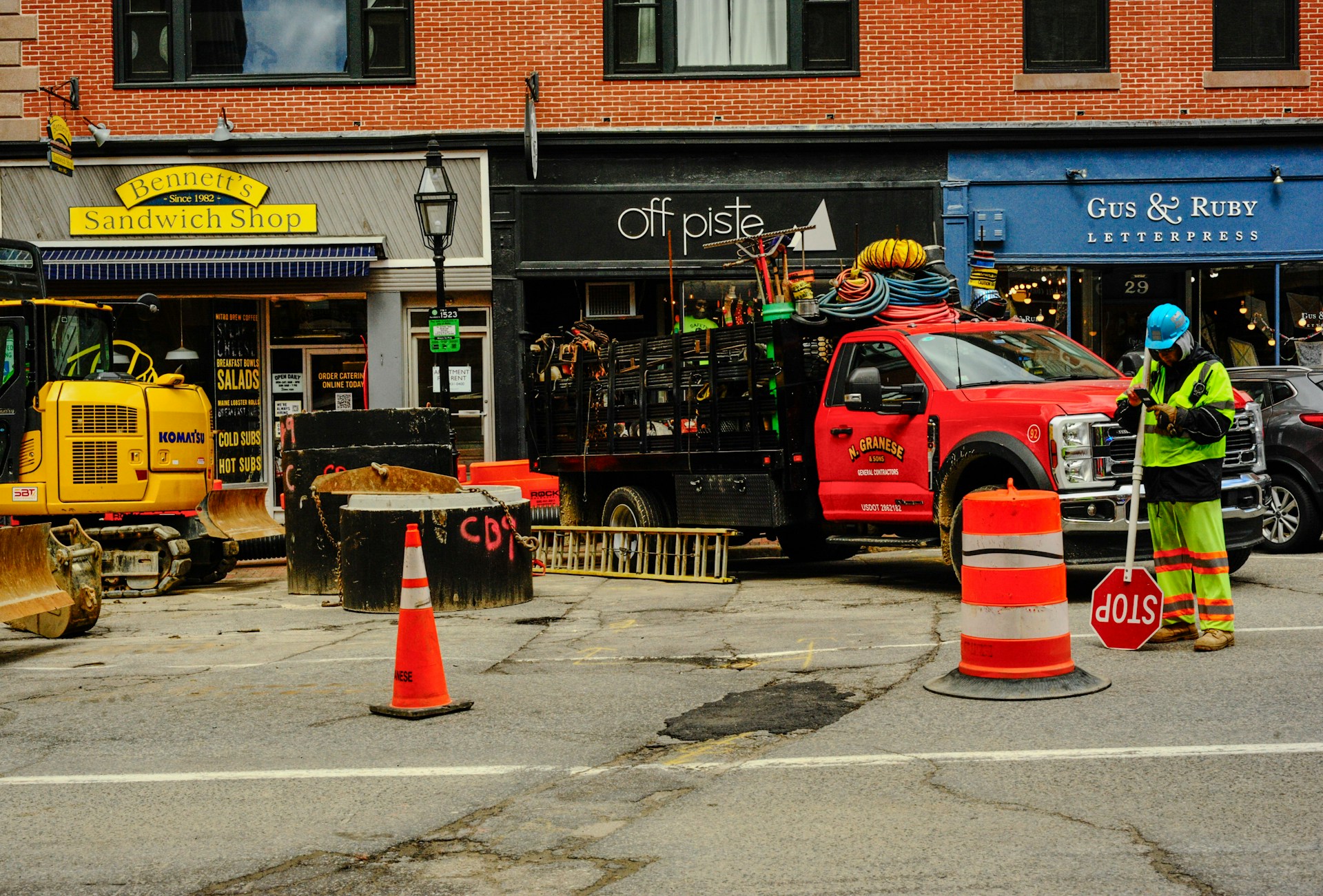
For many water and wastewater field workers, the day rarely goes exactly as planned. A routine inspection can turn into a repair. A service call can uncover a larger issue. A quick site visit can lead to questions about previous work, asset history, or what was last reported.
When the answers to those questions are difficult to find, even a relatively simple task can take longer than it should. Field crews may need to call the office, search through paperwork, contact another employee, or continue working without the full history of the location or equipment in front of them.
This creates a basic operational challenge: the work happens in the field, but the information needed to support that work is often stored somewhere else.
Field Work Does Not Always Follow the Original Plan
A work order may begin with a clear objective, but conditions in the field can change what happens next. Equipment may be in a different condition than expected. A crew may discover another problem while completing an inspection. A repair may require information about work performed months or years earlier.
These situations are normal parts of utility operations. The challenge is making sure employees can access enough information to respond effectively when the work changes.
A routine inspection identifies a condition that requires additional work.
A crew needs to understand previous maintenance before deciding what to do next.
The location raises questions about nearby assets or previous activity.
A small assignment uncovers a larger operational problem.
The Work May Be in the Field While the Records Stay in the Office
Utility records have traditionally been maintained through a combination of paper files, binders, spreadsheets, maps, office computers, shared folders, and individual knowledge. Those methods can work, but they become more difficult when the person who needs the information is standing somewhere away from the office.
A field employee may need to confirm the exact asset at a location, determine when it was last inspected, review previous repairs, find a photograph, or understand a note left by another employee.
If those records cannot be accessed easily, the employee has to bridge the gap another way.
The crew needs an answer.
Location details, equipment history, notes, previous work, photographs, or inspection information may be needed before the job can continue.
The information exists somewhere else.
Someone may need to search a binder, spreadsheet, file directory, previous report, or another system before the answer can be provided.
Small Information Gaps Can Add Time to Everyday Work
One phone call to the office may not seem significant. Neither does searching for one document or asking another employee about previous work. But when those interruptions happen repeatedly across inspections, repairs, service calls, and maintenance work, they begin to consume meaningful time.
The delay may also affect more than the field employee. Office personnel stop what they are doing to search for information. Supervisors may need to answer questions about past work. Another employee may need to locate a document or confirm whether a task was already completed.
Making relevant records easier to access can reduce unnecessary searching and back-and-forth between the field and the office.
Field Access Should Provide Context Without Adding Complexity
Better access does not mean field workers need every document, database, or administrative record available to them at all times. Too much information can create its own problems.
What matters is having the information connected to the work being performed. That may include where the crew is going, what equipment is there, what has happened previously, what needs to be completed, and any relevant documentation associated with the location or asset.
Better Information Helps Crews Arrive More Prepared
Access to records can be valuable before the first tool is used. A technician who can review the location, equipment, previous work, and relevant notes before beginning has more context than someone arriving with only an address and a short description of the assignment.
That context can help crews understand what they are likely to encounter and identify information that may become important during the visit.
Confirm where the work needs to happen.
Understand the equipment connected to the work.
See what has happened there before.
Perform the task with better context.
Asset History Can Change How a Field Issue Is Understood
Current conditions tell only part of the story. Previous inspections, repairs, photographs, notes, and service activity can provide clues that are not immediately visible at the site.
An employee may discover that a similar issue occurred previously, that equipment was recently repaired, or that another crew documented a condition during an earlier visit. That history can help the employee understand whether the current problem appears new, recurring, or related to previous work.
The more context a field worker has, the less often they have to start from zero.
Field Access Should Make Documentation Easier Too
Access to information is only one side of the process. Field crews also create valuable information while completing the work. They see the condition of equipment, make repairs, take photographs, identify new issues, and learn details that may matter during the next visit.
If those details are written down with the intention of entering them somewhere later, information can be delayed or lost. Handwritten notes may be difficult to interpret. Photos may stay on an individual device. A completed task may not be reflected in the official record until paperwork returns to the office.
Capturing information closer to the time the work occurs helps preserve a more accurate history.
Useful information should move both directions.
Crews receive the location, asset information, work history, notes, and documentation needed to understand the job.
Completed work, notes, photos, findings, and other details become part of the history for future reference.
Good Field Records Help the Next Person Understand What Happened
The employee completing today’s work may not be the employee who returns to the location next year. Staff responsibilities change, contractors change, and employees may move into different roles.
That makes documentation an important part of operational continuity. A clear record allows the next person to understand what was observed, what work was completed, and whether anything remained unresolved.
This becomes especially important when multiple departments or outside service providers interact with the same locations and assets. Each completed activity can contribute to a shared history rather than remaining with the individual who performed the work.
Today’s field work becomes tomorrow’s operational history.
Clear documentation helps future employees understand what happened without relying entirely on memory or tracking down the person who completed the original work.
Better Field Access Also Gives Supervisors a Clearer Picture
Field access is not only valuable to the people performing the work. It can also improve visibility for supervisors, administrators, and other employees responsible for coordinating operations.
Traditional paperwork can create a delay between when work occurs and when the rest of the organization knows it has been completed. A repair may be finished in the morning, but the paperwork might not return to the office until later. Notes may need to be interpreted, documents filed, and information entered into another system.
When records can be updated closer to the time work is performed, the operational picture becomes more current. Supervisors can better understand what has been completed, what still needs attention, and where additional follow-up may be required.
Field information becomes more valuable when it can support the rest of the operation.
Better Access Can Matter Even More When Teams Are Small
Small and rural water systems often operate with limited staff. One employee may handle inspections, maintenance, repairs, customer concerns, meter work, documentation, and several other responsibilities during the same week.
In that environment, unnecessary administrative steps can have a noticeable impact. Repeated trips back to the office, searching through files, calling coworkers for information, or entering the same information more than once takes time away from other work.
Better field access cannot eliminate every challenge faced by a small team, but it can remove some of the friction surrounding information. When records are easier to reach, employees can spend less time trying to locate information and more time responding to the needs of the system.
Better Access Should Reduce Steps, Not Create More of Them
Field employees already have work to complete. A recordkeeping process should support that work rather than becoming a separate administrative burden.
The most useful approach is often the simplest: make relevant information easy to find, keep it connected to the correct location or asset, and make it straightforward to document what happened.
When that process fits naturally into the work itself, better recordkeeping can become a result of completing the job rather than an additional task waiting for someone later.
The People Doing the Work Need Access to the Information Behind It
Water and wastewater systems rely on field employees every day. They inspect infrastructure, respond to problems, complete maintenance, perform repairs, document conditions, and help keep essential services operating.
Those employees are better prepared when the information connected to their work is available when they need it. Locations, assets, previous activity, notes, photographs, reports, and work history all provide context that can support better decisions in the field.
Better access also creates a stronger record for the rest of the organization. Work can be documented closer to when it happens, supervisors gain a clearer picture of current activity, and the next employee has a more complete history to work from.
Connecting field work with utility records helps close the gap between what happens outside the office and what the organization knows about its system.
Utility records are most useful when the people doing the work can access them where the work happens.
Giving field crews access to relevant locations, assets, work history, notes, photos, and reports can reduce unnecessary searching, improve documentation, and create better continuity across utility operations.
More From R2 Utility
Explore additional resources for organizing utility records, managing operational information, and getting started with R2.
Explore the R2 Platform
See how R2 connects locations, assets, tasks, contacts, notices, files, and reporting.
Explore Platform Learning CenterFind Guides and Resources
Browse section overviews, FAQs, helpful tips, and step-by-step information for using R2.
Visit Learning Center Onboarding & Data ImportBring Existing Records With You
Learn about onboarding and professional data import services for locations, assemblies, and contacts.
Learn About OnboardingGive Your Team Better Access to the Records Behind the Work.
R2 helps teams connect locations, assets, tasks, contacts, files, notices, reporting, and operational history in one structured platform.