Why Wastewater Recordkeeping Matters Just as Much as Water Recordkeeping
Wastewater infrastructure may operate largely out of public view, but the records behind it are essential to understanding system condition, supporting field response, tracking maintenance, and preserving the operational history teams rely on over time.
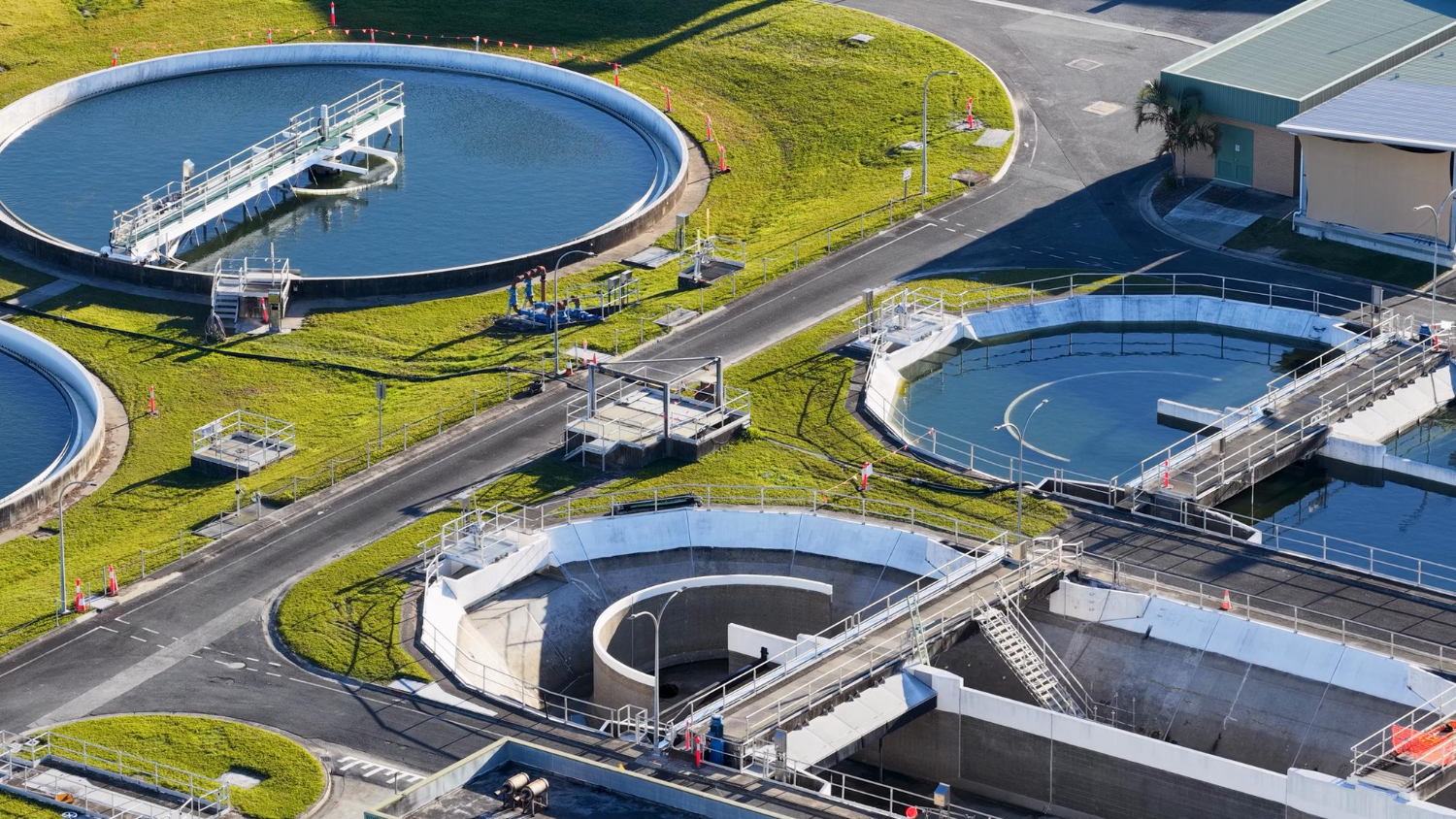
Water system records often receive a great deal of attention, but wastewater operations create an equally important history. Pumps, lift stations, mains, manholes, cleanouts, treatment components, inspections, maintenance, repairs, alarms, and field activity all create information that can become more valuable as the system ages.
Keeping that information organized is not simply an administrative exercise. Wastewater records help operators and crews understand the infrastructure they are responsible for, see what has happened before, respond when problems occur, and determine what may need attention next.
When the history is easy to find and connected to the right locations and equipment, everyday wastewater operations become easier to understand. When that history is scattered across paper files, work orders, emails, invoices, spreadsheets, and employee knowledge, even basic questions can take longer to answer.
Wastewater Infrastructure May Be Less Visible, but Its Operational History Still Matters
Much of a wastewater collection system operates outside normal public view. Sewer mains are underground. Pumps may be inside lift stations. Manholes and cleanouts can blend into the surrounding environment. Treatment equipment may operate at facilities most residents rarely see.
That lack of visibility does not make the infrastructure less important. Wastewater systems require inspections, maintenance, repairs, monitoring, cleaning, equipment service, and ongoing operational attention.
A Wastewater System Can Include Many Different Assets and Locations
Wastewater recordkeeping is not limited to treatment facilities. Collection systems can contain a wide range of infrastructure spread across an entire service area. Each piece may have its own condition, maintenance needs, inspection history, and relationship to the rest of the system.
The value comes from more than maintaining a list of these assets. The record becomes more useful when activity can be connected back to the specific location or equipment where it occurred.
One Piece of Equipment Can Build Years of Operational History
Consider a pump at a lift station. During its service life, that pump may be inspected dozens of times. It may trigger alarms, receive preventive maintenance, require repairs, have components replaced, and eventually reach the point where replacement needs to be considered.
Each event tells only part of the story. Together, they create the operational history of the asset.
A technician looking only at the latest repair sees one event. A supervisor reviewing the full history may see something different: repeated problems, increasing maintenance, or a pattern that deserves closer attention.
The Record May Exist Without the History Being Easy to See
Wastewater information often develops gradually. A paper work order may document one repair. An invoice may describe another. An operator may record an observation in a notebook. Photographs may remain on a phone or shared drive. An email thread may contain the explanation for why a contractor was called.
None of those records is necessarily wrong. The problem is that they may describe the same asset without being connected to one another.
When information stays separated, staff may know that a pump has been worked on several times without having a simple way to review what happened during each visit. Connecting those records makes the history easier to understand.
When Something Goes Wrong, Previous Information Can Become Immediately Useful
Wastewater problems do not always arrive during convenient hours or with an obvious cause. Blockages, backups, equipment failures, alarms, unusual conditions, and customer complaints may require crews to investigate quickly.
In those situations, historical information can provide useful context before and during the response.
Historical records do not diagnose the problem automatically, and field conditions still need to be evaluated by qualified staff. But knowing whether the location has experienced similar issues, what equipment is present, and what work was previously completed can give crews a better starting point.
Lift Stations Show How Many Types of Wastewater Information Can Meet in One Place
Lift stations are a useful example because a single location can contain several pieces of equipment and generate many different kinds of operational activity.
Pumps may require service. Controls may need inspection. Alarms may trigger a response. Cleaning may be scheduled. Electrical or mechanical work may be completed by different employees or contractors. Notes and photographs may be created along the way.
Instead of treating each inspection, repair, alarm, or maintenance task as an isolated record, the location can provide a common point for understanding what has happened there over time.
Wastewater Maintenance Needs a Record, Not Just a Schedule
Scheduling recurring maintenance is important, but knowing that work was supposed to happen is different from knowing what actually happened.
A useful maintenance history shows that the activity was completed, when it occurred, what was observed, who performed the work, and whether anything else needs attention.
Over time, that completed history becomes useful for more than proving that maintenance occurred. It can help staff understand how frequently an asset needs attention and whether its condition appears to be changing.
Patterns Become Easier to See When Activity Is Connected Over Time
A single repair does not necessarily indicate a larger problem. Several similar repairs involving the same equipment may tell a different story.
The same principle applies to repeated blockages, alarms, complaints, cleaning needs, pump issues, or emergency service calls. Individual events may appear routine until they are viewed together.
Records alone do not determine why a problem is occurring or whether equipment should be replaced. Those decisions may require field evaluation, engineering input, budget review, and other considerations. Organized history simply makes the pattern easier to recognize and investigate.
Wastewater Records Support Decisions Beyond the Field
The same information crews use during daily operations can also help supervisors and administrators understand the larger system.
Maintenance history, repair activity, recurring issues, inspection records, and equipment age can provide useful context when discussing budgets, staffing, replacement needs, contractor support, or capital improvements.
Historical records are one source of information in these decisions, not a replacement for professional judgment. Their value is in helping teams understand what the system has experienced and providing a more complete foundation for discussion.
Smaller Systems Often Need Their Records to Work Even Harder
Small wastewater systems can face many of the same recordkeeping challenges as small water systems. There may be fewer employees, less administrative support, overlapping responsibilities, and a great deal of institutional knowledge concentrated among a small number of people.
One employee may inspect equipment, respond to calls, perform maintenance, coordinate contractors, update records, and answer questions about previous work. In that environment, complicated recordkeeping can become another burden.
Wastewater records should preserve useful information without making daily work unnecessarily complicated.
A practical structure helps staff document work as it happens and gives the next person a clearer history to work from.
For smaller systems, preserving knowledge can be especially important. When an experienced employee retires, changes roles, or is unavailable, the organization should not have to rebuild years of system history from memory.
The Public Often Notices Wastewater Operations Most When Something Goes Wrong
Wastewater operations are usually not something residents think about during a normal day. That changes quickly when there is a backup, overflow, odor complaint, service interruption, or other visible problem.
Behind that public-facing moment is an operational system that crews and administrators manage every day. Routine inspections, cleaning, preventive maintenance, equipment service, repairs, and documentation all contribute to keeping that system functioning.
Reliable records support the people responsible for that behind-the-scenes work. They preserve what crews have learned about the system and make that information available when it is needed again.
Today’s Wastewater Work Becomes Tomorrow’s System History
Every inspection, repair, maintenance task, alarm response, photograph, and field note can contribute to a longer operational record.
A detail that seems routine today may become useful years later when staff are trying to understand a recurring issue, evaluate equipment, prepare for a project, or explain why previous work was performed.
Capture inspections, maintenance, repairs, notes, and activity.
Connect individual events to locations and equipment.
Use the history as context for future work and decisions.
The value of a wastewater record is not limited to the day it is created. Its value grows when it becomes part of the history of the system.
Wastewater Recordkeeping Is Part of Understanding the System
Wastewater records deserve the same operational attention as water system records. The infrastructure may be different, but the need to understand locations, equipment, maintenance, inspections, repairs, field activity, and long-term history is just as important.
Organized records help crews find useful information when responding to problems. They help maintenance teams understand what has already been completed. They give supervisors a clearer view of recurring activity and provide administrators with better context for reporting, budgeting, and planning.
Most importantly, good records preserve what an organization learns about its wastewater system. That knowledge should not disappear when a work order is closed, an email is archived, or an experienced employee leaves.
Wastewater operations involve thousands of individual actions over time. Connecting those actions to the infrastructure they belong to turns everyday documentation into a useful operational history.
When wastewater records are clear, connected, and easy to maintain, teams have a stronger foundation for understanding the system they manage today and the work it may require tomorrow.
Wastewater records are part of the operational history of the system.
Connecting locations, equipment, inspections, maintenance, repairs, alarms, and field activity makes it easier to understand what has happened, respond to current issues, and plan for what the system may need next.
Keep Exploring
Explore tools and resources for organizing utility infrastructure, field activity, maintenance records, and operational history.
Explore the R2 Platform
See how locations, assets, tasks, files, reports, and operational history can be organized in one connected structure.
Explore Platform Learning CenterFind Guides and Resources
Browse practical information for managing records, infrastructure, workflows, field operations, and utility programs.
Visit Learning Center OnboardingBring Existing Records With You
Learn more about organizing existing location, asset, and contact information when moving into R2.
Explore OnboardingBuild a Clearer Record of the Systems You Manage.
R2 helps utility teams organize locations, assets, tasks, maintenance activity, files, reports, and operational history in one connected platform.